

End of financial year has a way of making property owners look at numbers they’ve otherwise left running on autopilot. Tax deductions, depreciation schedules, account statements – they all surface together at EOFY, and the picture they paint of an investment property’s year is usually clearer than at any other moment of the cycle.
For property owners across regional NSW, the picture this year is unusual. Rental income per property – measured properly, on a RevPAR basis – grew 11% across the regional NSW short-term rental market in the 12 months to June 2026. Demand is broader and deeper than it has been in any of the three years prior. And yet, against that backdrop, a meaningful share of owners are heading into FY26 with returns that haven’t come close to capturing what their market actually did.
This is the EOFY decision point: was your property positioned to perform – or just positioned to tick over?
RevPAR, or revenue per available rental, is the most honest single measure of how hard a short-term rental property is working. It captures both occupancy (how often the property is booked) and average daily rate (what each booking earned) in a single number. It strips out vanity metrics and gets to the question that matters: how much rental income did this property produce per available night?
Across the regional NSW short-term rental market – Dubbo, Bathurst, Orange, Wagga Wagga, and surrounding areas – average RevPAR grew 11% in the 12 months to June 2026. That is a substantial number in any market. It was achieved despite average daily rates remaining largely flat across the period, meaning the growth came almost entirely from occupancy: properties were being booked more often than they were a year ago.
What that means for any individual investment property is this: if your property captured the market’s growth, your rental income should be up roughly 11% on last year. If it isn’t, the gap between what your property earned and what the market did is worth understanding before the new financial year starts.
For most investors, EOFY is a tax event. The accountant calls, the depreciation schedule gets updated, the loss or gain gets logged. Then everyone goes back to autopilot until next June.
For investors who treat property as a managed asset rather than a passive holding, EOFY is something different: a benchmark. It’s the one time of year when a full year of performance data is available, the market context is clearest, and the cost of leaving things as-is for another twelve months is most concrete.
Decisions made at EOFY compound. A property repositioned in July starts the new financial year earning more from day one. A property left alone in July carries last year’s setup – and last year’s underperformance – into another full cycle. In a market that’s growing 11%, the cost of a year of suboptimal positioning is rarely small. Even a property that lagged the market by 10 percentage points – meaning it grew 1% when the market did 11% – is leaving thousands of dollars on the table relative to where the market actually was.

If you own an investment property in regional NSW – long-term leased, self-managed on Airbnb, or sitting between tenants – there are two questions worth pressing into before 30 June:
Not gross bookings. Not headline revenue. Net rental income after costs, with a clear view of occupancy and average daily rate. If you can’t answer this in one or two sentences, the property is being managed without visibility – and visibility is the first ingredient of optimisation.
The 11% market RevPAR growth is a benchmark. Your property’s actual performance – or shortfall – against that benchmark is the conversation worth having with anyone whose job it is to optimise the asset. These two questions are the difference between the next financial year being a repeat of this one or the year your property finally performs to what the market allows.
The 11% RevPAR growth across regional NSW isn’t a statistical accident. It’s the surface read of demand drivers that are working harder across all four major regional NSW markets:
Across all four markets, the pattern is the same: demand is not seasonal or fragile. It’s diversified across tourism, workforce, health, education, and resources. That kind of demand mix produces durable RevPAR – not headline numbers that vanish when one driver softens.
Most regional NSW properties don’t underperform because their owner did anything wrong. They underperform because nobody ever did the work to position them at their best.
The line between an adequate result and an optimal one comes down to decisions that have to be made constantly:
Properties that operate to those standards capture market growth. Properties that don’t tend to drift further behind it each year. The 11% market growth this financial year is not a number every property earned. It’s the average – and there’s wide dispersion around it.
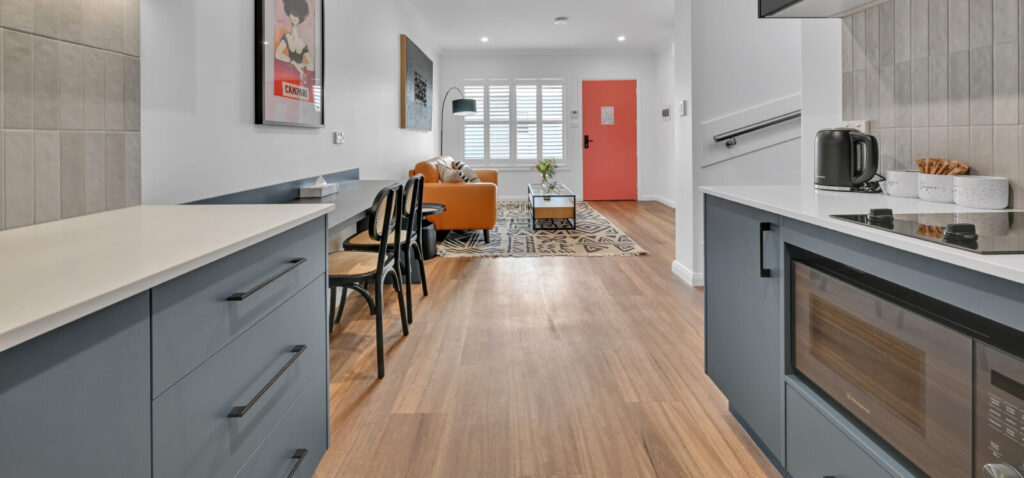
Asset management is not the same as property management. The distinction matters.
A property manager handles operations – bookings, cleaning, guest communication. They keep the lights on. An asset manager makes the property work as hard as it can given the market it’s in. They look at performance against market benchmarks, they make pricing and positioning decisions that compound over time, and they treat the owner’s net return as the metric that matters.
BNB Made Easy operates as an asset manager. Our 200+ properties under management across Dubbo, Bathurst, Orange, and Wagga Wagga are managed against monthly performance benchmarks, dynamically priced based on real-time market data, and operationally standardised so that guest experience – and review scores – stays consistent across the portfolio.
The result is a portfolio with 91% owner retention after the first year. Performance earns that trust – it isn’t bought with discounts or won with marketing claims.
For investors weighing where to deploy capital in 2026, the case for regional NSW has strengthened across the financial year.
Capital city yields have compressed. Sydney and Melbourne investment property yields are now substantially below their five-year averages. Holding costs – interest, insurance, council rates – have climbed. And federal budget changes have shifted the investment maths underneath investors who relied on the previous settings.
Against that backdrop, regional NSW is producing strong, broad-based rental returns in markets that haven’t repriced like the metro markets have. Property values are a fraction of capital city equivalents. Yields, on a like-for-like basis, are materially stronger. And the demand drivers – workforce, tourism, health, resources – are not metro-dependent.
The investors who already know this market are positioning into it. EOFY is when the rest should be looking.
What is RevPAR and why does it matter for property owners?
RevPAR (revenue per available rental) measures rental income per available night across a property. It combines occupancy and nightly rate into a single metric, which is why professional asset managers use it as the cleanest measure of how hard a property is working. Across regional NSW, RevPAR grew 11% in FY26.
Should I switch from long-term rental to short-term rental in regional NSW?
The right answer depends on the specific property, its location, and the demand drivers in its market. A free property income appraisal gives you a like-for-like view of what your property is likely to earn under different management approaches. EOFY is the right time to look at the comparison clearly, before another year locks in.
How much does professional short-term rental management cost?
Management fees vary by manager and inclusions. The right question is not what management costs, but what management delivers in net return to the owner. BNB Made Easy publishes performance benchmarks so owners can see exactly what they’re getting for the fee, and what the alternative would have earned.
What is the difference between a property manager and an asset manager?
A property manager handles bookings, guests, and operations. An asset manager handles all of that plus the strategic decisions that optimise the asset over time — pricing, positioning, performance against market benchmarks, and reporting that lets the owner make informed decisions. The cost is similar; the outcome is not.
How does EOFY affect investment property strategy?
EOFY is the cleanest annual benchmark of an investment property’s performance. It’s when full-year data is available, depreciation schedules are updated, and tax positions are clearest. Decisions made at EOFY compound through the new financial year — which is why it’s the right moment to reposition an underperforming asset rather than carry the underperformance forward.
Why is regional NSW outperforming metro markets right now?
A combination of compressed metro yields, climbing holding costs, broad-based regional demand drivers (workforce, tourism, health, resources), and entry pricing that hasn’t repriced to metro levels. Regional NSW RevPAR grew 11% in FY26; capital city investment yields, on average, did not.
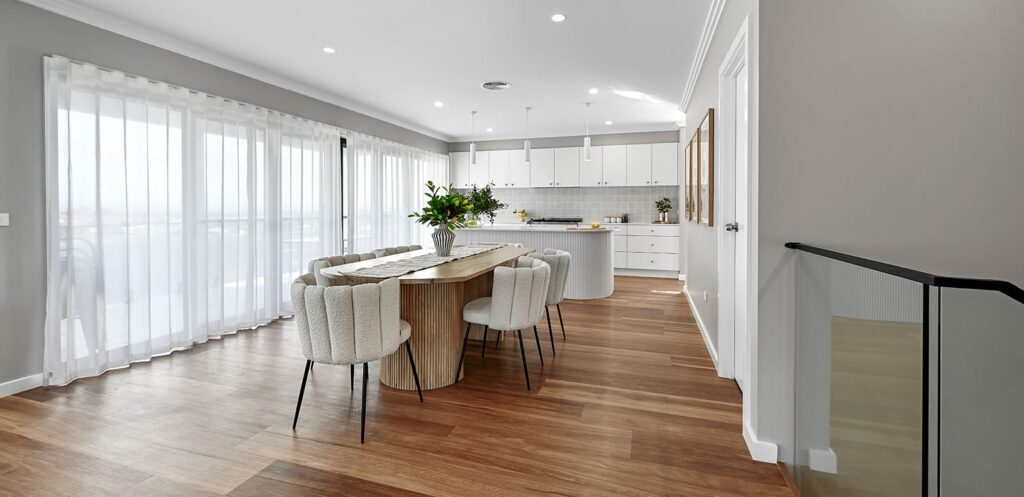
Before 30 June, BNB Made Easy is offering free property income appraisals for investment property owners across Dubbo, Bathurst, Orange, and Wagga Wagga. The appraisal shows you what your property is currently earning, what comparable properties under our management are achieving, and what the gap means in real dollar terms heading into FY26.
Book your free appraisal before 30 June and know the numbers before the financial year closes.